Why Expanding Global Brands Need a Design Facilitator
In the last year there has been a noticeable uptick of international brands deciding to open physical locations in the U.S. Major international retailers like Primark, Mango, Aritzia, and Uniqlo, for example, have plans to expand into new U.S. markets–including in cities outside of mainstays like New York and Los Angeles. These decisions come at a time when many companies are trying to find a way to navigate a heightened level of uncertainty in global markets due to trade wars, tariffs, supply chain issues, and shifting rules around taxes.
Establishing a brand outpost in the U.S.—and especially in big cities like New York—isn’t as simple as signing a lease and pick-ing out paint colors. Each city has its own web of regulations and restrictions. Even for companies with strong internal design teams, navigating local complexities can be inefficient and costly.
While global enterprises typically have departments dedicated to maintaining brand identity and design consistency, they usually lack the in-house expertise to oversee remote construction and the various complexities it involves.
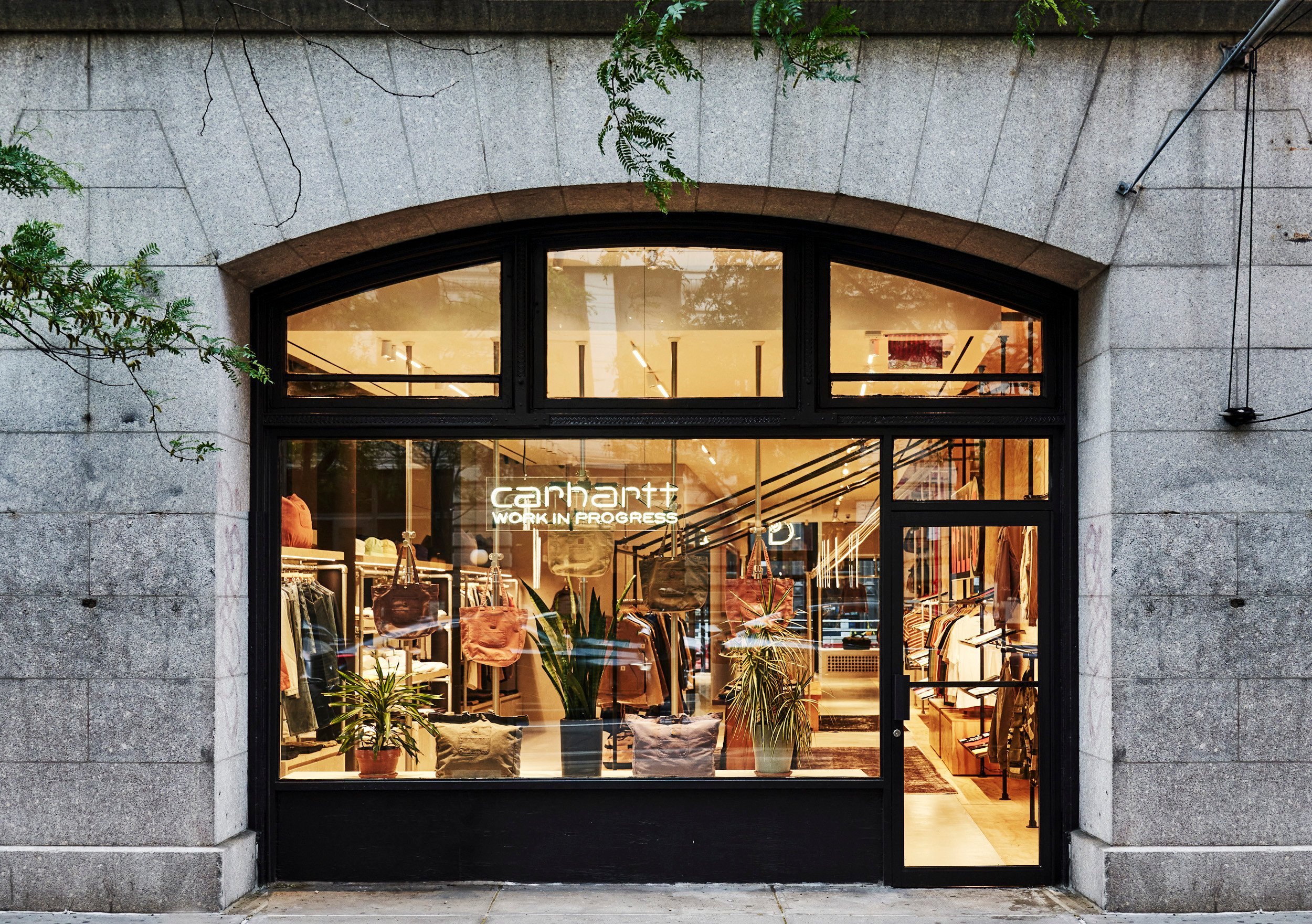
Carhartt WIP in New York City
To bridge that gap, companies have traditionally relied on an “architect-of-record” whose role is often limited to producing construction documents and filing with local authorities. But from our experience helping brands expand into new markets, we’ve found that more is needed. International brands require local partners who not only help secure permits but also support their vision through design research, technical insight and hands-on project management.
Beyond the traditional architect-of-record role, our work combines design consulting, project management and owner representation. We check our ego at the door to manage behind-the-scenes complexity so our clients can focus on the big-picture branding. We refer to it as design facilitation.