
Brick and the Making of New York City
As a firm deeply involved in the stewardship of New York City’s built environment, we spend a surprising amount of time with brick. We survey it, maintain it, and—when needed—rebuild it.
In New York, brick is everywhere—not as a relic, but as one of the city’s most enduring materials. From brownstones and tenements to warehouses and schools, brick has shaped the scale, rhythm, and resilience of the built environment for centuries.
Brick quickly became a default building material in colonial New York. The clay-rich banks of the Hudson River allowed for local production, and by the early 18th century, brickyards were a common part of the regional industrial landscape. After the Great Fire of 1835 destroyed more than 600 buildings in Lower Manhattan, changes to the city’s building codes further established brick as an essential material for urban construction.
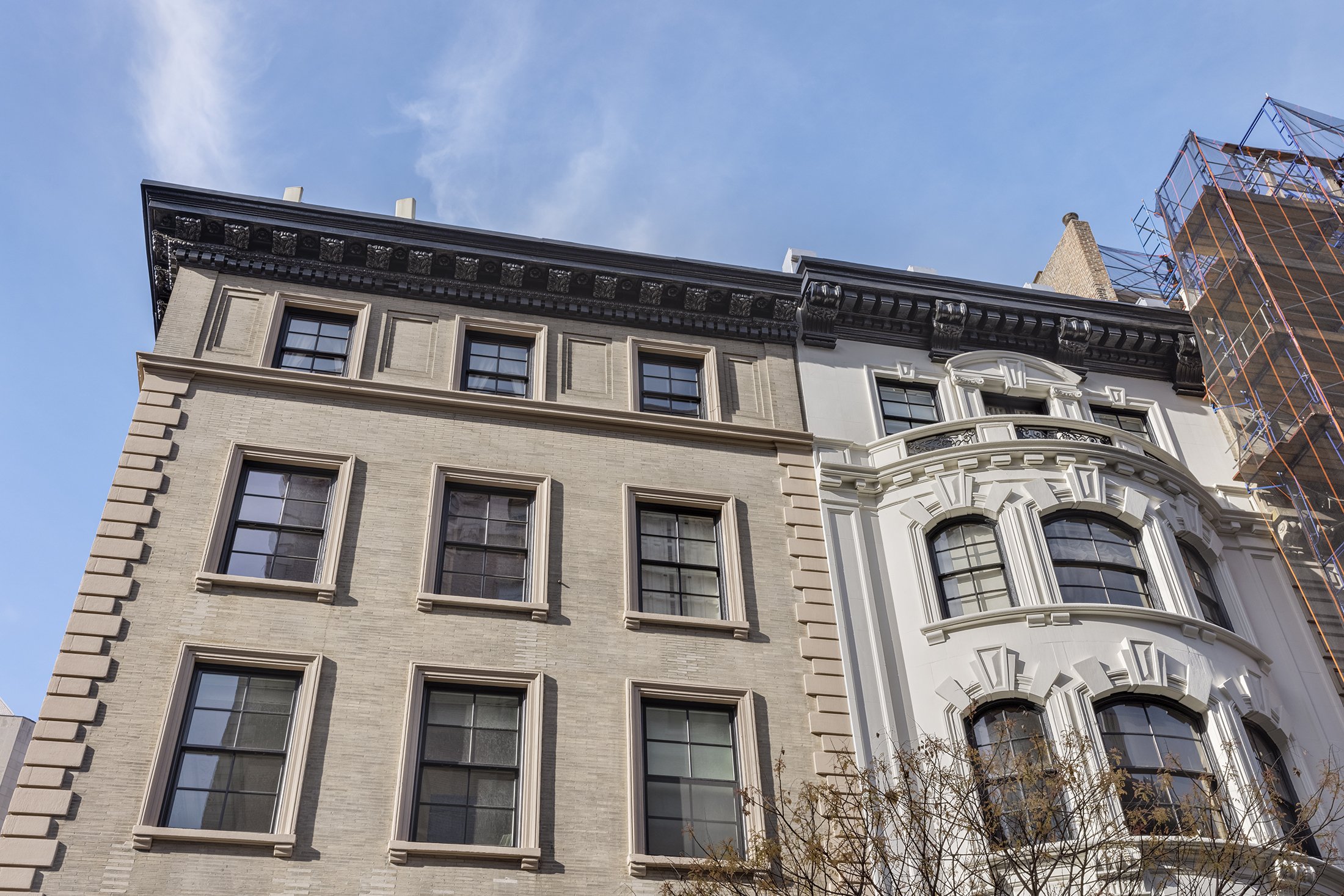
Brick in the Present Tense
In today’s New York, brick is more of a choice than a necessity. It no longer carries the structure of a building as it once did, but it still provides visual continuity in neighborhoods of walk-ups and row houses, and lends permanence to a city that seems to reinvent itself overnight.
Even the toughest brick needs care. Repointing mortar, replacing damaged units, and cleaning façades are part of the ongoing work that keeps these walls safe and beautiful. Every detail—from a shift in bond pattern to a change in brick size—can tell us something about a building’s era, budget, and builder.